

Training a cat may seem challenging at first, but with the right approach, it becomes an enjoyable process that strengthens the bond between you and your pet. Understanding how cats think, behave, and communicate is the foundation of successful training. By creating a positive environment, offering consistent guidance, and addressing common issues early, you can help your cat develop healthy habits and a calm, obedient personality.
Cats generally respond best to short, engaging sessions. Because their attention spans are naturally brief, training should be kept to around ten minutes at a time in a quiet, distraction‑free area. Instead of using punishment—which often leads to fear and stress—focus on rewards, praise, and gentle corrections. Simple techniques such as offering treats, using interactive toys, or giving a pleasant scratch behind the ears help reinforce good behavior. Water‑spray corrections or startling noises may work in some cases, but they should be used cautiously, as some cats may react negatively.
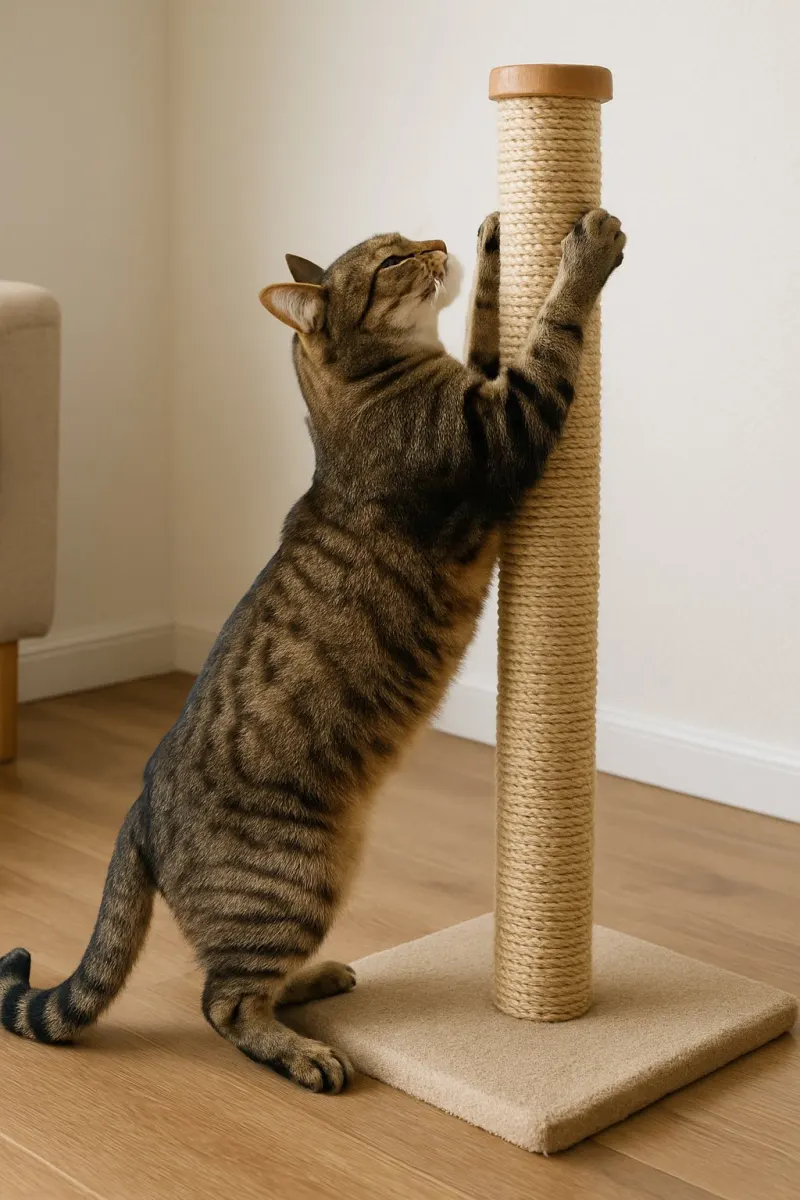
Daily play and mental stimulation are key to reducing destructive behaviors like scratching, biting, or restless activity. Cats that feel bored or neglected often act out or stop using their litter boxes. Scheduling regular playtime, offering a variety of toys, and providing scratching posts that satisfy their need to stretch, mark territory, and maintain claw health all contribute to a stable environment that encourages good habits.
A trained cat is not only easier to live with but also safer
and more confident. Proper training prevents chewing on dangerous items such as
electrical cords, reduces household damage, and minimizes litter‑related
issues. A toilet‑trained or well‑litter‑trained cat improves hygiene in the
home and creates a more pleasant atmosphere for everyone. Visitors often enjoy
interacting with a well‑behaved cat, and a calm, secure feline is typically
more affectionate and socially balanced.
Addressing problem behaviors early is essential. For biting
issues, avoid using your hands or feet as toys and redirect your cat to
appropriate play objects. If aggression escalates without clear reason, a
veterinary checkup is necessary to rule out pain or medical conditions. For
picky eating, consistency is critical—offering too many alternative foods
encourages selective habits. Provide a familiar food, leave it for a short
period, and remove it until the next scheduled meal if your cat refuses it.
Litter box challenges often arise from poor setup or insufficient cleanliness. Ensure that litter boxes are placed in accessible, quiet areas, are kept clean, and are provided in adequate numbers. When introducing a new cat, confining them near the litter box until they build a routine can be very effective. Issues like eating non‑food items (pica) may indicate nutritional imbalance, boredom, or simple curiosity. Increasing play, removing tempting objects, and ensuring proper feeding often resolve these habits.
Understanding natural feline behaviors helps prevent miscommunication. Purring, for example, signals not only happiness but also pain or stress. Tail wagging may indicate agitation or uncertainty. Scratching reinforces territorial marking and claw maintenance. Even eating from the floor instead of a bowl may stem from whisker sensitivity or discomfort.
For additional training, some cats can learn to use a harness and leash. With patience, gradual exposure, and plenty of rewards, you can safely introduce outdoor exploration. Physical barriers, such as childproof latches or covered trash bins, can prevent access to problem areas inside the home. Simple environmental adjustments make it easier for your cat to succeed without confrontation.
A well‑trained cat is healthier, happier, and more connected
to you. Through consistent guidance, positive reinforcement, and an environment
designed for success, your cat can develop into a calm, obedient, and engaging
companion who enhances your daily life.