
INTRODUCTION
Airdrops have quickly
become one of the most intriguing opportunities in the crypto world
They allow everyday
users to earn digital tokens simply by engaging with a project,
supporting early development, or trying out new platforms. Instead of making an
investment, users simply participate—and in return, projects reward them with tokens that
can sometimes grow dramatically in value.
This rewritten guide serves as a modern roadmap for anyone looking to navigate the
airdrop ecosystem. You’ll learn how airdrops evolved, why they matter, and how to find,
evaluate, and claim them safely and efficiently.
supporting early development, or trying out new platforms. Instead of making an
investment, users simply participate—and in return, projects reward them with tokens that
can sometimes grow dramatically in value.
This rewritten guide serves as a modern roadmap for anyone looking to navigate the
airdrop ecosystem. You’ll learn how airdrops evolved, why they matter, and how to find,
evaluate, and claim them safely and efficiently.
CHAPTER 1 –
UNDERSTANDING AIRDROPS

communities and increase awareness. Rather than paying for ads, projects share a portion
of their token supply with users willing to complete simple actions—such as joining their
social channels, testing a platform, or holding a particular cryptocurrency.
Why do projects give away tokens? Because an engaged community is essential for the
success of any decentralized ecosystem. Airdrops help attract early adopters, encourage
testing, and create excitement around a launch. For users, they represent a low‑risk
opportunity to gain exposure to emerging assets.
Types of airdrops include:
• Standard airdrops: basic participation-based distributions
• Holder airdrops: rewards for wallets holding specific tokens
• Task‑based airdrops: social or platform‑interaction requirements
• Ecosystem airdrops: rewards for early platform users
• Bounty campaigns: content‑creation or promotional tasks
While airdrops can be valuable, users must remain cautious of scams, fake websites, and
projects that demand sensitive information.
-----------------------------------------------
CHAPTER 2 – TOOLS OF THE TRADE
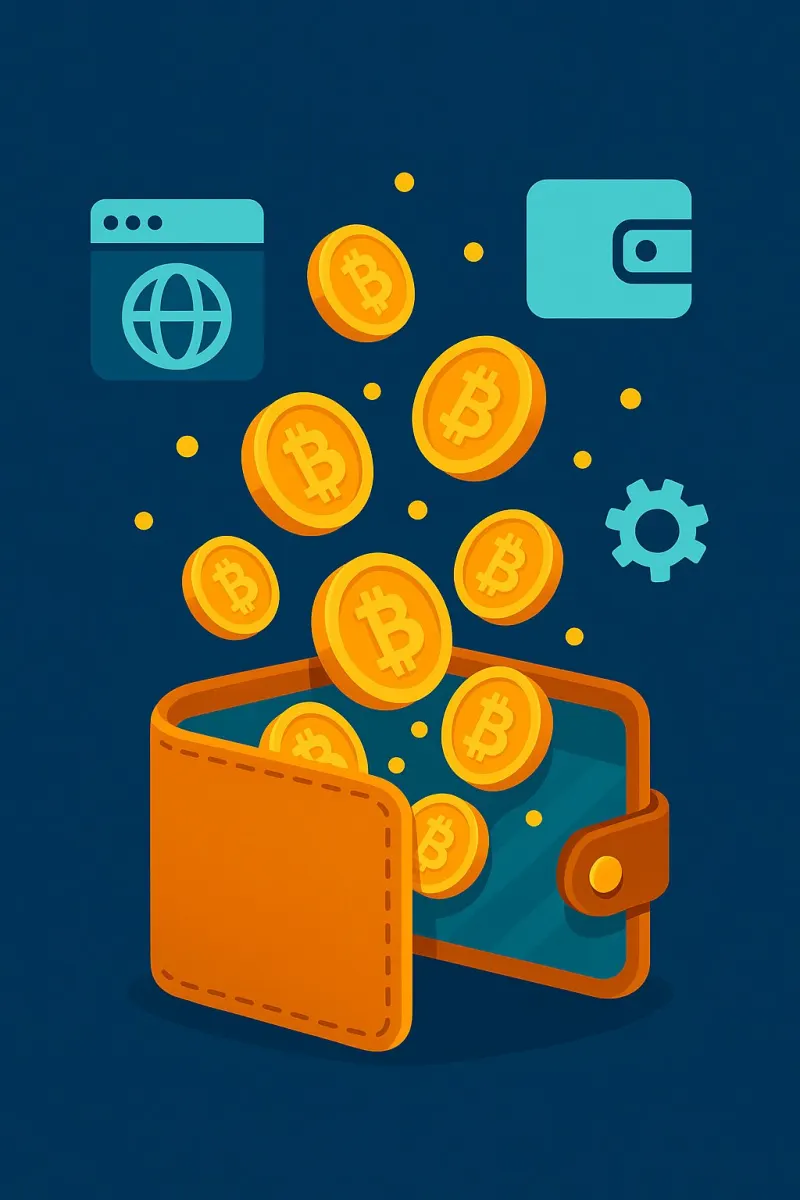
is the core of your setup—popular choices include MetaMask, Trust Wallet, and Phantom.
Keeping your wallet secure is essential, especially when interacting with unfamiliar
platforms. Many experienced users also create dedicated “airdrop wallets” to minimize
risk.
Beyond the wallet, staying organized is crucial. Tracking spreadsheets help monitor
deadlines, tasks, and reward status. Websites such as Airdrops.io, CoinMarketCap
Airdrops, and AirdropAlert provide listings of active and upcoming events. Telegram and
Twitter remain key sources of real‑time announcements.
For advanced users, portfolio trackers (such as Zerion or DeBank), multi‑chain wallets,
VPNs, and browser privacy tools enhance efficiency and security. Above all, always
verify links, avoid sharing private keys, and limit wallet permissions.
-----------------------------------------------
CHAPTER 3 –
STEP-BY-STEP GUIDE TO PARTICIPATING
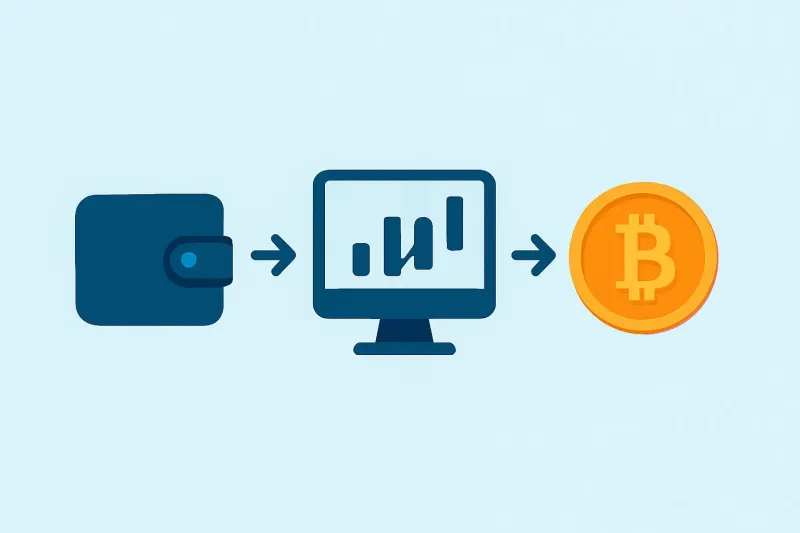
Participating in an airdrop involves four main stages:
1. Preparing your wallet
Set up a compatible wallet, secure your seed phrase offline, and consider using a
burner wallet for unknown projects.
2. Finding promising airdrops
Check verified listing sites, follow official channels, and evaluate each project’s
credibility. Look for real utility, transparent teams, and reasonable requirements.
3. Completing
tasks
Most airdrops involve social actions, sign‑ups, referrals, or simple platform interactions.
Follow instructions carefully—missing a single step may disqualify your entry.
4. Claiming rewards
Airdrops may be automatically distributed or require manual claiming through a dApp.
Always ensure you’re using official claim links to avoid phishing attacks.
Staying organized throughout the process ensures you never miss deadlines or unclaimed
rewards. Managing your expectations is also important—not every airdrop will be highly
profitable, but consistent participation increases long‑term potential.
-----------------------------------------------
END OF PART 1
-----------------------------------------------
Most airdrops involve social actions, sign‑ups, referrals, or simple platform interactions.
Follow instructions carefully—missing a single step may disqualify your entry.
4. Claiming rewards
Airdrops may be automatically distributed or require manual claiming through a dApp.
Always ensure you’re using official claim links to avoid phishing attacks.
Staying organized throughout the process ensures you never miss deadlines or unclaimed
rewards. Managing your expectations is also important—not every airdrop will be highly
profitable, but consistent participation increases long‑term potential.
-----------------------------------------------
END OF PART 1
-----------------------------------------------